
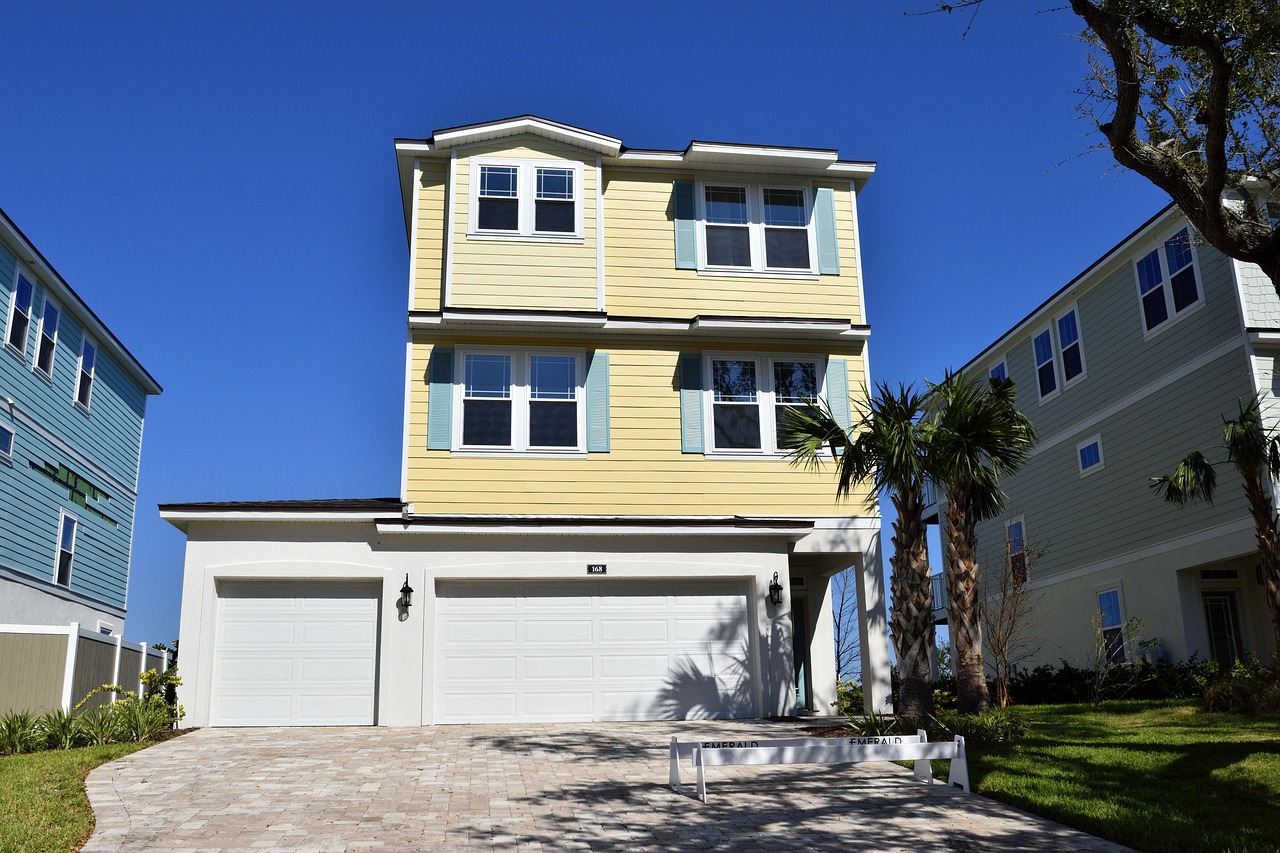
Impact Windows & South Florida Smart Home Integration: A Complete Guide for Palm Beach & Broward Homeowners
South Florida's relationship with hurricane season is unlike anywhere else in the country. From Boca Raton to Fort Lauderdale, homeowners have long understood that protecting their properties from Category 4 and 5 storms requires serious, certified protection. But a newer conversation is emerging in living rooms and contractor meetings across Palm Beach County and Broward County: how do impact windows fit into the modern smart home ecosystem?
The answer is more nuanced - and more exciting - than most homeowners expect. This guide breaks down everything you need to know about pairing hurricane protection with home automation technology, including what works, what doesn't, and what questions to ask before you invest.
Why Smart Home Integration Matters for South Florida Homeowners
The smart home market has exploded across South Florida. Neighborhoods like Parkland, Weston, Coral Springs, Palm Beach Gardens, and Wellington are filled with tech-savvy homeowners who have already integrated Alexa, Google Home, Ring doorbells, Nest thermostats, and smart lighting into their daily routines.
At the same time, hurricane preparedness remains a non-negotiable reality. The Florida Building Code requires impact-resistant products in high-velocity hurricane zones (HVHZ), which covers most of Miami-Dade and Broward County, and similar standards apply throughout Palm Beach County.
The question isn't whether you need hurricane protection - you do. The question is whether your hurricane protection can become a smarter, more integrated part of your connected home.
The Difference Between Passive and Active Protection
Impact windows provide what experts call passive protection. Once installed, they don't need to be activated, closed, deployed, or monitored. They simply work - 24 hours a day, seven days a week, every single day of the year.
Automated hurricane shutters, by contrast, are active systems. They require operation, maintenance, and most importantly, someone must remember to deploy them before a storm. As we'll explore below, this distinction matters enormously when thinking about smart home integration.
Impact Windows vs. Automated Hurricane Shutters: A Smart Home Perspective
One of the most common questions we hear from tech-forward homeowners in Delray Beach, Pompano Beach, and Deerfield Beach is whether automated shutters or impact windows make more sense for a smart home setup.
Automated hurricane shutters can indeed be connected to smart home platforms. Some motorized roll-down shutter systems offer Wi-Fi connectivity and can be triggered by weather alerts or controlled via smartphone apps. On paper, this sounds appealing.
However, there are several significant drawbacks that homeowners often discover only after installation:
Power dependency: Automated shutters require electricity to operate. During a hurricane, power outages are nearly guaranteed. While some systems include battery backups, these add cost and require maintenance.
Mechanical failure points: Motors, tracks, and sensors all have failure rates. In high-humidity coastal environments like those found throughout Palm Beach and Broward Counties, mechanical components can corrode and malfunction. Our article on impact windows and salt air corrosion covers why this is a particular concern for South Florida properties.
Always-on gap: Even the best automated shutters are only protecting your home when they're deployed. Impact windows protect your home every single minute they're installed.
Cost comparison: When you factor in motor replacement, professional servicing, and potential repair costs after a storm, the long-term cost of automated shutter systems often exceeds what homeowners initially expect. For a detailed breakdown, see our impact windows vs. storm shutters cost comparison.
For snowbird homeowners and vacation property owners who aren't physically present when a storm approaches, the passive protection of impact windows is especially critical. Learn more in our guide to impact windows for snowbird homes.
Smart Sensors and Impact Windows: What's Actually Possible
While impact windows themselves are passive, they can absolutely be part of a sophisticated smart home monitoring ecosystem. Here's how homeowners across Palm Beach and Broward are currently integrating these systems.
Window and Door Contact Sensors
Wireless contact sensors are small, inexpensive devices that attach to window frames and sashes. They detect whether a window is open or closed and report that status to your smart home hub. Popular options include sensors from brands like Aeotec, Ring, and SimpliSafe that integrate with Alexa, Google Home, SmartThings, and Apple HomeKit.
For impact window installations, contact sensors serve several functions:
- Alerting you when a window has been opened and not closed (important before storms)
- Integrating with HVAC automation to pause air conditioning when windows are open
- Serving as perimeter security alerts
- Providing remote monitoring for vacation or rental properties
These sensors work with virtually any impact window frame material, including aluminum, vinyl, and fiberglass. They're typically installed with adhesive and don't compromise the window's structural integrity or impact rating.
Glass Break Sensors
Glass break sensors use acoustic technology to detect the specific frequency of shattering glass. While properly installed, certified impact windows are designed to resist breakage even under extreme wind loads, glass break sensors add an additional layer of security monitoring.
For homeowners in high-crime areas or those who want comprehensive security monitoring integrated with platforms like ADT Pulse, Ring Alarm, or SimpliSafe, glass break sensors complement impact window installations nicely. They're particularly popular among homeowners in urban areas of West Palm Beach and Fort Lauderdale.
Indoor Air Quality and Environmental Sensors
Here's a smart home integration that many Palm Beach and Broward homeowners don't initially consider: environmental monitoring. Impact windows dramatically improve a home's ability to control its internal environment. When paired with indoor air quality sensors, the combination becomes genuinely powerful.
Smart air quality monitors from brands like Airthings, Awair, and Foobot can detect humidity, VOCs, CO2 levels, and particulate matter. When integrated with a smart home hub, these sensors can trigger HVAC adjustments, ventilation systems, or simply alert homeowners to changing conditions.
Given South Florida's humidity challenges and the documented air quality benefits of impact windows, this pairing makes particular sense. Our articles on impact windows and South Florida air quality benefits and impact windows and wildfire smoke explain in detail how properly sealed impact windows help homeowners control what enters their living spaces.
Impact Windows and Major Smart Home Platforms
Amazon Alexa Integration
Amazon's Alexa platform supports thousands of smart home devices. While impact windows themselves don't connect to Alexa directly, the sensor ecosystem around them absolutely does. Homeowners can create Alexa Routines that:
- Announce "storm prep reminder" based on Weather Underground alerts for Broward County or Palm Beach County
- Lock smart locks and verify all contact sensors show windows as closed before a storm
- Trigger security cameras to record when contact sensors detect an open window at night
- Connect with smart thermostats to optimize energy efficiency based on window status
Alexa Guard, Amazon's built-in security monitoring feature, uses Echo device microphones to detect glass breaking sounds and can send alerts to your smartphone. This works as a complementary layer alongside your impact window installation.
Google Home and Google Nest Integration
Google's smart home ecosystem offers similar capabilities. Google Home routines can incorporate window sensor status from compatible devices, and Google Nest products integrate tightly with third-party sensors through the Matter smart home standard.
For Palm Beach and Broward homeowners using Nest thermostats - an extremely common setup given Florida's year-round HVAC demands - pairing Nest with window contact sensors can meaningfully reduce energy bills. Nest can be programmed to reduce cooling output when impact windows are detected as open, eliminating the common inefficiency of running AC with windows open.
The National Hurricane Center, which publishes tropical weather outlooks, can feed into Google Home routines through third-party apps and IFTTT (If This Then That) integrations, creating automated storm preparation checklists.
Apple HomeKit and Home App
Apple HomeKit users in upscale communities like Palm Beach, Manalapan, Gulf Stream, and Highland Beach will appreciate that the Home app supports a growing range of sensors and devices. HomeKit's end-to-end encryption is particularly attractive to security-conscious homeowners.
HomeKit Automations can include window sensors, smart locks, cameras, and lighting all working together. The introduction of the Matter standard means more devices are now cross-compatible, making it easier to build a cohesive smart home ecosystem regardless of which platform you prefer.
Samsung SmartThings
SmartThings remains one of the most flexible smart home hubs, supporting Z-Wave, Zigbee, Wi-Fi, and now Matter devices. For homeowners who want granular control over their smart home setup, SmartThings offers more customization than Alexa or Google Home alone.
A SmartThings setup can monitor every impact window and door contact sensor in a home, create detailed automation rules, and integrate with services like SharkIQ, Ecobee, and security monitoring providers.
Storm Preparation Automation: Building a Hurricane-Ready Smart Home
One of the most practical applications of smart home technology for South Florida homeowners is automating storm preparation routines. Here's a framework that homeowners in Boca Raton, Boynton Beach, Lake Worth, and surrounding communities are implementing.
Pre-Storm Automation Checklist
Weather monitoring integration: Services like Weather Underground, the National Weather Service API, and apps like MyRadar can integrate with IFTTT to trigger smart home routines when a hurricane watch or warning is issued for Palm Beach County or Broward County.
Automated notifications: When a storm enters the 72-hour cone of uncertainty for South Florida, your smart home system can send push notifications to all household members' phones, reminder lists to smart displays, and even trigger smart speakers to announce preparation reminders.
Smart lock verification: Before evacuating, a single voice command or app tap can verify that all smart locks are secured, all connected garage doors are closed, and all monitored windows and doors show as closed on their contact sensors.
Security camera recording: Storm prep routines can trigger security cameras to switch to continuous recording mode, giving homeowners documentation of their property's condition before a storm - valuable for insurance purposes.
For homeowners dealing with insurance documentation and claims, our guide on impact windows and Florida home insurance audits provides helpful context on how technology can support the claims process.
Energy Efficiency and Smart Window Technology
Beyond storm protection, impact windows deliver significant energy efficiency benefits that pair beautifully with smart home energy management.
Low-E Glass and Smart HVAC Integration
Modern impact windows from manufacturers like PGT, CGI, and ES Windows - all brands carried by Window Guys of Florida - incorporate Low-E (low-emissivity) glass coatings that reflect infrared heat. This dramatically reduces solar heat gain, which is the primary driver of cooling costs in South Florida homes.
When these windows are paired with smart thermostats like Ecobee or Google Nest, the results can be remarkable. Smart thermostats can learn your home's thermal patterns, and with high-performance impact windows reducing heat transfer, HVAC systems run less frequently and maintain setpoints more easily.
Florida Power & Light (FPL) and Broward County utilities report that window upgrades can reduce cooling energy costs by 15-30% in South Florida homes. When combined with smart thermostat optimization, some homeowners see even greater savings.
Solar-Powered Smart Home Integration
South Florida's abundant sunshine has driven rapid solar panel adoption across Palm Beach and Broward Counties. Impact windows and solar installations are natural partners. A home with high-performance impact windows requires less energy to cool, which means a smaller solar array can achieve net-zero energy consumption.
Smart home energy management systems from brands like Tesla (Powerwall), Enphase, and SunPower can monitor your home's energy production and consumption in real time, with impact window efficiency factored into the home's overall energy profile.
What to Ask Your Impact Window Contractor About Smart Home Compatibility
Not all impact window installations are created equal when it comes to smart home compatibility. Here are the questions you should ask before signing a contract with any contractor in Palm Beach or Broward County.
Frame and Hardware Considerations
Q: Are the window frames compatible with third-party sensor adhesive? Most aluminum and vinyl frames accept standard sensor adhesive, but it's worth confirming. Some finishes or coatings can affect adhesion.
Q: Do your hardware options include smart lock-compatible entry door hardware? If you're also installing impact doors, ensuring the door prep is compatible with smart lock brands like Schlage Encode, Yale, or Kwikset Halo is important.
Q: How does the installation affect existing sensor wiring? If you have hardwired sensors in existing frames, your installer should account for these during the removal and replacement process.
Permit and Code Considerations
Smart home devices connected to impact windows don't typically require separate permits, but the impact window installation itself absolutely does. Our detailed guide on impact window permits in Palm Beach and Broward covers what homeowners need to know about the permitting process.
For homeowners in HOAs, smart home additions to windows may also require approval. See our resources on HOA impact window rules and costs and HOA impact window disputes for guidance.
Smart Home Integration for Specific Property Types
High-Rise Condominiums
Smart home integration in high-rise buildings above the eighth floor presents unique challenges and opportunities. Building-wide automation systems, intercom integration, and shared infrastructure can affect what individual unit owners can install. Our guide to impact windows in high-rise condos addresses many of these property-specific concerns.
Condo owners should review Florida's new milestone inspection requirements. Our article on condo impact windows and Florida's milestone laws explains how SB 4-D affects window and building safety requirements.
Short-Term Rentals and Airbnb Properties
For homeowners with Airbnb or VRBO properties in popular South Florida rental markets like Deerfield Beach, Hallandale Beach, and Lake Worth Beach, smart home integration with impact windows creates genuine advantages. Remote monitoring through contact sensors, smart locks for keyless entry, and automated security systems all benefit from the passive protection that impact windows provide around the clock. Our guide to impact windows and Airbnb properties covers the insurance and liability aspects in detail.
Historic District Properties
Homeowners in historic districts in West Palm Beach, Delray Beach, and Fort Lauderdale face additional considerations when upgrading to impact windows. Smart home sensor installations should also respect historic preservation guidelines. Our historic district impact windows guide covers the approval process and compatible product options.
The Real Value Proposition: Safety First, Technology Second
It's easy to get excited about smart home gadgetry, and there's genuinely useful technology available to complement your impact window installation. But it's worth stepping back to remember the core value proposition.
Impact windows in Palm Beach County and Broward County provide:
- Certified storm protection tested to withstand 140+ mph wind speeds and hurricane-force debris impacts
- Year-round security against forced entry, a documented benefit recognized by insurance underwriters
- Consistent energy efficiency regardless of power outages, internet connectivity, or device battery life
- Proven real-world performance during actual South Florida hurricanes, as documented in our real storm performance guide
- Documented home value increases that buyers and appraisers recognize, as covered in our articles on impact windows and home resale value and impact windows and real estate appraisals
Smart home sensors, automation platforms, and connected devices add a valuable layer of awareness and convenience on top of this foundation. But the foundation itself - properly installed, code-compliant impact windows - is what matters most.
Choosing the Right Products for Your South Florida Smart Home
Window Guys of Florida is an authorized dealer for PGT, CGI, ES Windows, Andersen, and other top manufacturers. Each of these brands offers product lines with features that complement smart home integration:
- PGT WinGuard series windows offer excellent frame profiles for sensor attachment and Low-E glass options optimized for South Florida's solar conditions
- CGI Guardian series provides heavy-duty aluminum frames ideal for coastal properties where corrosion resistance matters
- ES Windows aluminum and vinyl options offer competitive pricing without sacrificing performance ratings
Our licensed, insured team has 25+ years of experience serving homeowners throughout Palm Beach County and Broward County. We pull all required permits, handle inspections, and ensure your installation meets current Florida Building Code requirements.
Ready to explore your options? Contact us for a free consultation and let our team evaluate your home's specific needs. We serve communities throughout Palm Beach and Broward Counties, from Jupiter and Palm Beach Gardens in the north to Aventura and Hallandale Beach in the south.
Frequently Asked Questions
Can I connect my impact windows to Alexa or Google Home?
Impact windows themselves are passive devices without electronic components, so they don't connect directly to smart home platforms. However, third-party contact sensors, glass break sensors, and environmental monitors can be installed alongside your impact windows and integrated with Alexa, Google Home, Apple HomeKit, or Samsung SmartThings. These sensors communicate window status, security alerts, and environmental data to your smart home hub. Contact our team to discuss how we approach smart-home-compatible installations.
Are automated hurricane shutters a better choice than impact windows for a smart home?
For most South Florida homeowners, no. Automated hurricane shutters require power to operate, have mechanical components that can fail in high-humidity coastal environments, and only protect your home when deployed. Impact windows provide continuous, passive protection that never needs to be activated. They also typically provide greater long-term value when you account for motor replacement and maintenance costs. See our detailed impact windows vs. storm shutters comparison for a full analysis.
Will installing smart sensors on my impact windows void the warranty?
In most cases, no - as long as sensors are attached with appropriate adhesive and not mechanically fastened through the frame or glass. Standard contact sensors use peel-and-stick mounting that doesn't affect window performance or structural integrity. However, you should always confirm warranty terms with your window manufacturer. Window Guys of Florida can advise on sensor placement that won't affect your product warranty during your free consultation.
Can smart home sensors help with hurricane insurance claims in Florida?
Yes, in several ways. Contact sensors create timestamped logs showing windows were closed before a storm. Security cameras triggered by your smart home system provide documentation of your property's pre-storm condition. Smart home data can supplement your insurance claim documentation. For a deeper look at how impact windows affect the claims process, see our guide on impact windows and Florida insurance litigation and our article on impact window insurance audits.
Do impact windows improve energy efficiency enough to affect my smart thermostat's performance?
Absolutely. Impact windows with Low-E glass coatings can reduce solar heat gain by 40-70% compared to standard single-pane windows. This means your HVAC system runs less frequently, which smart thermostats like Nest or Ecobee will recognize over time and factor into their learned scheduling. Many Palm Beach and Broward County homeowners report noticeable reductions in their FPL bills after upgrading to impact windows, with smart thermostat optimization amplifying those savings.
Are there specific smart home considerations for condo owners installing impact windows in Broward or Palm Beach County?
Yes. Condo owners face additional considerations including HOA and building management approval, shared building infrastructure, and Florida's evolving condo safety laws. Smart home device installation in condos may also be subject to building rules around Wi-Fi, sensor mounting, and modifications to common elements. Our guides on condo impact windows and Florida's milestone inspection laws and impact windows in high-rise condos provide essential background for condo owners navigating this process.
Frequently Asked Questions
Can I connect my impact windows to Alexa or Google Home?
Impact windows themselves are passive devices without electronic components, so they don't connect directly to smart home platforms. However, third-party contact sensors, glass break sensors, and environmental monitors can be installed alongside your impact windows and integrated with Alexa, Google Home, Apple HomeKit, or Samsung SmartThings. These sensors communicate window status, security alerts, and environmental data to your smart home hub. Contact our team to discuss how we approach smart-home-compatible installations.
Are automated hurricane shutters a better choice than impact windows for a smart home?
For most South Florida homeowners, no. Automated hurricane shutters require power to operate, have mechanical components that can fail in high-humidity coastal environments, and only protect your home when deployed. Impact windows provide continuous, passive protection that never needs to be activated. They also typically provide greater long-term value when you account for motor replacement and maintenance costs. See our detailed impact windows vs. storm shutters comparison for a full analysis.
Will installing smart sensors on my impact windows void the warranty?
In most cases, no - as long as sensors are attached with appropriate adhesive and not mechanically fastened through the frame or glass. Standard contact sensors use peel-and-stick mounting that doesn't affect window performance or structural integrity. However, you should always confirm warranty terms with your window manufacturer. Window Guys of Florida can advise on sensor placement that won't affect your product warranty during your free consultation.
Can smart home sensors help with hurricane insurance claims in Florida?
Yes, in several ways. Contact sensors create timestamped logs showing windows were closed before a storm. Security cameras triggered by your smart home system provide documentation of your property's pre-storm condition. Smart home data can supplement your insurance claim documentation. For a deeper look at how impact windows affect the claims process, see our guide on impact windows and Florida insurance litigation and our article on impact window insurance audits.
Do impact windows improve energy efficiency enough to affect my smart thermostat's performance?
Absolutely. Impact windows with Low-E glass coatings can reduce solar heat gain by 40-70% compared to standard single-pane windows. This means your HVAC system runs less frequently, which smart thermostats like Nest or Ecobee will recognize over time and factor into their learned scheduling. Many Palm Beach and Broward County homeowners report noticeable reductions in their FPL bills after upgrading to impact windows, with smart thermostat optimization amplifying those savings.
Are there specific smart home considerations for condo owners installing impact windows in Broward or Palm Beach County?
Yes. Condo owners face additional considerations including HOA and building management approval, shared building infrastructure, and Florida's evolving condo safety laws. Smart home device installation in condos may also be subject to building rules around Wi-Fi, sensor mounting, and modifications to common elements. Our guides on condo impact windows and Florida's milestone inspection laws and impact windows in high-rise condos provide essential background for condo owners navigating this process.