
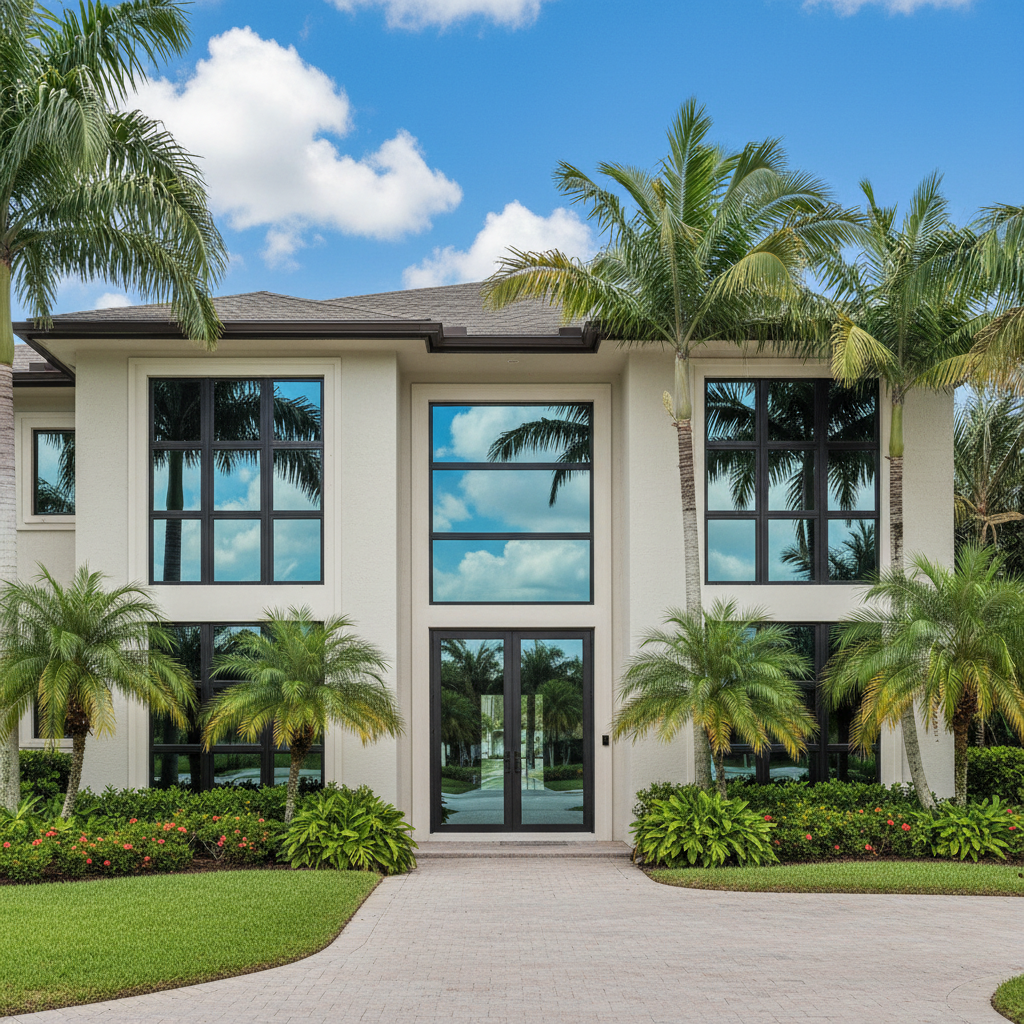
Seasonal window maintenance is one of the simplest ways to protect your home in South Florida, where sun, salt air, humidity, and hurricane season all stress your windows in different ways. A quick quarterly routine can help you avoid common problems like water intrusion, mold growth around frames, foggy glass, stuck locks, and premature hardware failure.
If you live in places like Boca Raton, Delray Beach, Boynton Beach, West Palm Beach, Jupiter, Wellington, Fort Lauderdale, Hollywood, Pembroke Pines, Miramar, or Coral Springs, your windows are constantly exposed to intense UV, wind driven rain, and long stretches of moisture. Even newer impact windows benefit from regular care.
This guide covers a practical seasonal window maintenance schedule for Florida homes, plus inspection tips specific to impact rated products and coastal conditions. When you are ready for professional help, Window Guys of Florida offers free consultations for homeowners across Palm Beach County and Broward County. You can see our coverage map here: Service Areas.
Why seasonal window maintenance matters in South Florida
Florida is not a set it and forget it window environment. A few local realities make routine maintenance especially valuable:
- Humidity and frequent rain can wear down seals and encourage mildew in tracks and weep channels.
- Salt air (even a few miles inland) speeds up corrosion on screws, rollers, hinges, and lock mechanisms.
- High UV exposure can dry out weatherstripping, fade finishes, and make older caulking brittle.
- Hurricane season (June 1 to Nov 30) creates pressure cycling, debris risk, and water intrusion potential.
Data point to keep in mind: NOAA’s National Centers for Environmental Information reports that the US has experienced a rising number of billion dollar weather disasters in recent decades, and Florida is routinely among the most impacted states due to tropical cyclones and severe storms. The takeaway for homeowners in Palm Beach and Broward is practical: your window system is part of your storm readiness plan, and regular checks make it more reliable.
If you own impact windows, maintenance is still important. Impact glass is designed to resist wind pressure and debris, but tracks, seals, anchoring, and hardware are what keep the unit performing as intended.
For a deeper dive into impact products, ratings, and terminology, read: Hurricane Impact Windows: Complete Guide for Florida Homeowners 2026.
What “seasonal window maintenance” includes
A good seasonal window maintenance routine focuses on six areas:
- Glass condition and clarity (chips, cracks, fogging)
- Frames and finishes (corrosion, oxidation, swelling, warping)
- Weatherstripping and seals (drying, gaps, flattening)
- Tracks and drainage (dirt buildup, clogged weep holes)
- Hardware and operation (locks, rollers, hinges, alignment)
- Perimeter sealant and surrounding wall (caulk lines, stucco cracks, staining)
If your home has hurricane shutters too, window care should coordinate with shutter checks. Helpful reference: Hurricane Shutters: Complete Guide for Florida Homeowners 2026.
Tools and supplies you will actually use
You do not need specialty products. For most homeowners, this short list covers 90 percent of seasonal window maintenance tasks:
- Mild dish soap, warm water
- Microfiber cloths, soft sponge
- Soft bristle brush or old toothbrush (for tracks)
- Vacuum with crevice tool
- Non abrasive cleaner for glass (ammonia free is safest for many coatings)
- Silicone based lubricant (check manufacturer guidance for your hardware)
- Small plastic pick or zip tie (for weep holes, avoid metal tools)
- Flashlight
- Garden hose (gentle flow for testing drainage)
Avoid harsh degreasers, gritty pads, and pressure washing directly into tracks. Those can force water past seals and strip protective finishes.
Seasonal window maintenance checklist by quarter (Florida specific)
For a quick punch list, also bookmark: Impact Window Maintenance Checklist for Every Season in Florida. Below is a more detailed, homeowner friendly walkthrough with “why it matters” notes.
Spring (March to May): pre hurricane season prep
Spring is your best time to catch small issues before daily summer storms and peak hurricane months.
Clean and inspect tracks and weep holes
- Vacuum debris in tracks.
- Scrub with mild soap and a soft brush.
- Find and clear weep holes (tiny drainage openings) so water can exit.
Why it matters: In South Florida, clogged weep systems are a common reason homeowners see water pooling in the sill during heavy rain.
Test operation and locking points
- Open and close every operable sash.
- Lock and unlock. Make sure multi point locks engage smoothly.
- Note any scraping, resistance, or misalignment.
Call a pro if: You have to lift the sash to lock it, or the lock does not fully engage. That can signal settling, hinge wear, or roller problems.
Inspect weatherstripping and gaskets
- Look for cracking, flattening, or missing segments.
- Feel for drafts on windy days.
Tip: Weatherstripping failures often show up first on sliding glass doors and frequently used windows.
Quick exterior review
From outside (or with binoculars on upper floors):
- Check for gaps in perimeter caulk.
- Look for staining or hairline stucco cracks radiating from corners.
If your home is in a condo with HOA requirements, coordinate before any exterior work: What Florida Condo Owners Should Know About HOA Window Requirements.
Summer (June to August): peak rain, heat, and storm monitoring
Summer is when problems show up: wind driven rain, daily storms, and constant humidity.
Watch for water intrusion indicators
After heavy rain in places like West Palm Beach or Fort Lauderdale, check:
- Damp drywall around window corners
- Bubbling paint
- Musty odors near the sill
- Water in the track that does not drain within a reasonable time
If you suspect a storm related issue, use this guide: How to Tell if Your Impact Windows Are Still Effective After a Storm.
Clean glass the right way for coatings
Many impact windows use Low E coatings to reduce heat gain. Clean with non abrasive products and soft cloths.
To understand how glass choice affects performance in our climate, read: How Different Types of Glass Hurt or Help Your Home in South Florida's Climate.
Reduce corrosion risk (especially near the coast)
If you are in coastal zones near Deerfield Beach, Pompano Beach, or Palm Beach, rinse exposed hardware and frames occasionally with fresh water and dry them. Salt residue is a corrosion accelerator.
Fall (September to November): late season storms and post storm checks
Fall is your “verify and repair” season.
Post storm inspection routine
Even if nothing looks broken, inspect:
- Glass edges for small chips
- Frame corners for hairline separation
- Caulk lines for tearing
- Locks and handles for looseness
If you had a named storm pass near your area, do a detailed review using: How to Tell if Your Impact Windows Are Still Effective After a Storm.
Check screens and screen frames
Screens are not storm protection, but damaged screens can invite pests and reduce ventilation. Fixing them in fall helps for winter breezes.
Plan upgrades before next season
If your windows are aging, fall is a smart time to plan replacements so you are not rushing in spring.
Cost planning resource: Impact Window Cost Factors in South Florida (2026).
Winter (December to February): dry air, cold snaps, and comfort checks
South Florida winter is mild, but it is the easiest season to detect air leaks and operational issues.
Check for drafts and indoor comfort
On cooler evenings in Boca Raton or Parkland, run your hand around:
- Meeting rails
- Frame to wall transitions
- Lock points
If you feel noticeable airflow, the issue may be weatherstripping, alignment, or a failed perimeter seal.
Lubricate moving components sparingly
Use manufacturer approved lubricant on:
- Sliding door rollers (if accessible)
- Hinges and multi point hardware (as appropriate)
Avoid over lubricating tracks, which can trap grit.
Evaluate noise and insulation improvements
If you are noticing more traffic noise, it may be a sign of air leakage or changes in seals. Learn what actually blocks sound here: The Science Behind Impact Window Soundproofing.
Maintenance tips by window type
Different window styles need slightly different attention.
Single hung and double hung windows
- Clean the sill and side channels.
- Verify balance operation and locking alignment.
- Check that tilt latches (if present) engage properly.
Sliding windows and sliding glass doors
- Keep tracks clean and dry.
- Look for worn rollers if the panel feels heavy.
- Check interlocks and weatherstripping at the meeting stile.
Casement and awning windows
- Inspect hinge areas for corrosion.
- Check crank operation and tight closure.
- Make sure the sash compresses evenly against the seal.
Picture windows (fixed)
- Focus on perimeter caulk, frame condition, and glass clarity.
- Look for condensation between panes, which can indicate seal failure in insulating glass units.
Impact windows: what is different about maintenance?
Impact windows are engineered systems, not just glass in a frame. In South Florida, many approved products are tested to standards tied to the Florida Building Code and, in some cases, Miami Dade protocols.
If you want to understand how standards compare, read: Comparing Hurricane Impact Window Industry Standards (Miami-Dade vs Florida Building Code).
For maintenance, focus on:
- Hardware performance: locks, rollers, hinges are critical for maintaining design pressure resistance.
- Glazing and glazing bead condition: visible deformation, gaps, or damage should be assessed.
- Frame fastener area: rust staining or movement around fastener points can be a red flag.
Also, wind zone requirements differ between counties and can influence what products are installed and how they perform. Learn more here: Palm Beach vs Broward Wind Zones: Impact Ratings.
Common mistakes homeowners make (and what to do instead)
Using harsh cleaners on coated glass
Instead: Use mild, non abrasive cleaners and soft cloths. If you are unsure what you have, check your window documentation or ask your installer.
Painting over weep holes
Instead: Keep weep paths open. If you are repainting, mask drainage openings.
Ignoring small caulk separations
Instead: Early resealing is usually cheaper than repairing water damaged drywall or framing.
Forcing stuck locks or sashes
Instead: Clean, check for debris, and call a pro if alignment is off. Forcing hardware can bend components and worsen the problem.
When seasonal window maintenance reveals it is time to replace
Maintenance can extend the life of windows, but it cannot fix structural problems or outdated products that are not appropriate for modern storm standards.
Consider replacement if you notice:
- Repeated leaks despite clearing weeps and resealing
- Persistent fogging between panes (failed insulating seal)
- Major frame corrosion, soft spots, or warping
- Hardware that repeatedly fails or cannot be adjusted
- You have non impact windows and rely on last minute shutters every season
If you are considering an upgrade, start here:
You can also explore brands and manufacturer differences here: Complete Guide to Top Impact Window & Door Manufacturers in Florida 2026.
Insurance, permits, and documentation: what to keep after maintenance or upgrades
Seasonal window maintenance is mainly a homeowner task, but any repair or replacement work should be documented.
- Keep photos of any damage found after storms.
- Save invoices for professional adjustments or replacements.
- If you upgrade to impact products, store product approvals, permits, and final inspection records.
These local resources can help:
- Florida Insurance Requirements 2026: Homeowners Guide
- How to Submit Your Impact Window Insurance Discount Claim Successfully
- Palm Beach County Impact Window Permit Guide (2026)
Design, efficiency, and home value benefits tied to good window care
Seasonal window maintenance is not only about storms. Well maintained windows can support comfort, aesthetics, and resale.
- Energy performance: Clean tracks and intact seals reduce air leakage. If you are interested in greener upgrades, see: Eco-Friendly Window Options for Sustainable Homes in Florida.
- Security: Working locks and aligned frames improve everyday safety. Read: How Impact Windows Boost Home Security Beyond Storm Protection.
- Curb appeal: Clean frames and consistent finishes make a visible difference. Inspiration: Top Colors and Finishes for Impact Window Frames in Modern Florida Homes.
- Home value: Upgrades and documented improvements can influence buyer perception and appraisal conversations. Learn more: How Impact Windows Affect Home Appraisals in Florida.
If you are planning a broader exterior refresh, this is a fun companion read: The Best Landscaping Designs to Complement New Impact Windows.
DIY vs professional help: what you can handle and what to delegate
Many seasonal window maintenance tasks are DIY friendly: cleaning, visual inspections, clearing weep holes, and checking operation.
Call a professional if you have:
- Water intrusion you cannot trace
- Cracked glass, chipped edges, or frame movement
- Misalignment that prevents locking
- Hardware failures on multi point systems
- Questions about compliance, wind zone ratings, or product approvals
If you are in the planning stage for replacement, measurement accuracy matters. Read: DIY vs Professional Window Measurements: What You Need to Know.
Also, make sure you hire the right installer. This checklist helps: Before You Buy: Questions to Ask Your Impact Window Installer.
Why homeowners in Palm Beach and Broward choose Window Guys of Florida
Window Guys of Florida is licensed and insured, with 25+ years of experience serving Palm Beach County and Broward County. We install and service top impact rated products and are authorized dealers for PGT, CGI, ES Windows, Andersen, and more.
If your seasonal window maintenance routine uncovered a concern, or if you want a professional inspection before hurricane season, we can help.
Schedule a free window and door consultation
Get recommendations tailored to your home, neighborhood wind zone, and budget.
- Learn about our team: About Us
- Request a free quote: Contact/Free Quote
- Explore impact options: Impact Windows and Impact Doors
FAQ: seasonal window maintenance in Florida
How often should I do seasonal window maintenance in South Florida?
Plan on a quarterly routine, plus a quick check after major storms. Spring pre season prep and fall post season inspection are the most important. For a simple schedule, see Impact Window Maintenance Checklist for Every Season in Florida.
Why do my window tracks keep filling with water during heavy rain?
Many windows are designed to collect some water in the sill and drain it out through weep holes. If water lingers, drains slowly, or spills indoors, the issue can be clogged weeps, improper slope, damaged seals, or wind driven rain overwhelming the system. If it keeps happening, book an inspection via Contact/Free Quote.
Can I use WD-40 on sliding door tracks or window hardware?
It is usually better to use a silicone based lubricant approved for window and door hardware, because some general purpose sprays can attract dirt or degrade certain materials over time. If you have impact rated products with multi point locks, professional servicing can prevent accidental damage.
After a hurricane, what should I check first on impact windows?
Start with safety and basics: inspect for visible glass cracks or chips, test locks and operation, and look for new water staining around corners. Use this step by step guide: How to Tell if Your Impact Windows Are Still Effective After a Storm.
Will maintaining my windows help with insurance discounts?
Maintenance alone typically does not create a discount, but keeping documentation and ensuring your impact products and paperwork are correct can help you qualify and keep discounts. Learn the process here: How to Submit Your Impact Window Insurance Discount Claim Successfully, and review broader guidance here: Florida Insurance Requirements 2026: Homeowners Guide.
When should I consider replacing instead of repairing?
If you have repeated leaks, failed insulated glass (fogging between panes), significant frame corrosion, or windows that do not meet current storm performance expectations for your area, replacement may be more cost effective long term. Start with product education here: Hurricane Impact Windows: Complete Guide for Florida Homeowners 2026 and request a free assessment at Contact/Free Quote.
Frequently Asked Questions
How often should I do seasonal window maintenance in South Florida?
Do a quarterly routine (spring, summer, fall, winter), plus a quick check after major storms. Spring pre hurricane season prep and fall post storm checks are the most important. Use this guide for a simple schedule: Impact Window Maintenance Checklist for Every Season in Florida.
Why is there water sitting in my window track after rain?
Many window systems are designed to route water into the sill and drain it through weep holes. Standing water can mean clogged weeps, debris in tracks, damaged seals, or wind driven rain overwhelming drainage. If it persists, schedule an inspection: Contact/Free Quote.
Do impact windows still need maintenance?
Yes. Impact glass is only one part of the system. Tracks, weep holes, weatherstripping, locks, rollers, and perimeter seals all affect performance in heavy rain and high winds. For post storm guidance, see: How to Tell if Your Impact Windows Are Still Effective After a Storm.
Can seasonal window maintenance improve energy efficiency?
It can. Clean tracks, intact seals, and properly closing sashes reduce air leakage and help your HVAC run more efficiently. If you are considering upgrades, compare options here: Eco-Friendly Window Options for Sustainable Homes in Florida.
If I replace windows in Palm Beach County, do I need a permit?
In many cases, yes, especially for impact window replacements. Requirements can vary by scope and property type. Review this local resource: Palm Beach County Impact Window Permit Guide (2026).
How do I schedule a window inspection or get a quote in Broward or Palm Beach?
Window Guys of Florida offers free consultations for homeowners across Palm Beach County and Broward County. Request a visit here: Contact/Free Quote, or confirm your location on our Service Areas page.