
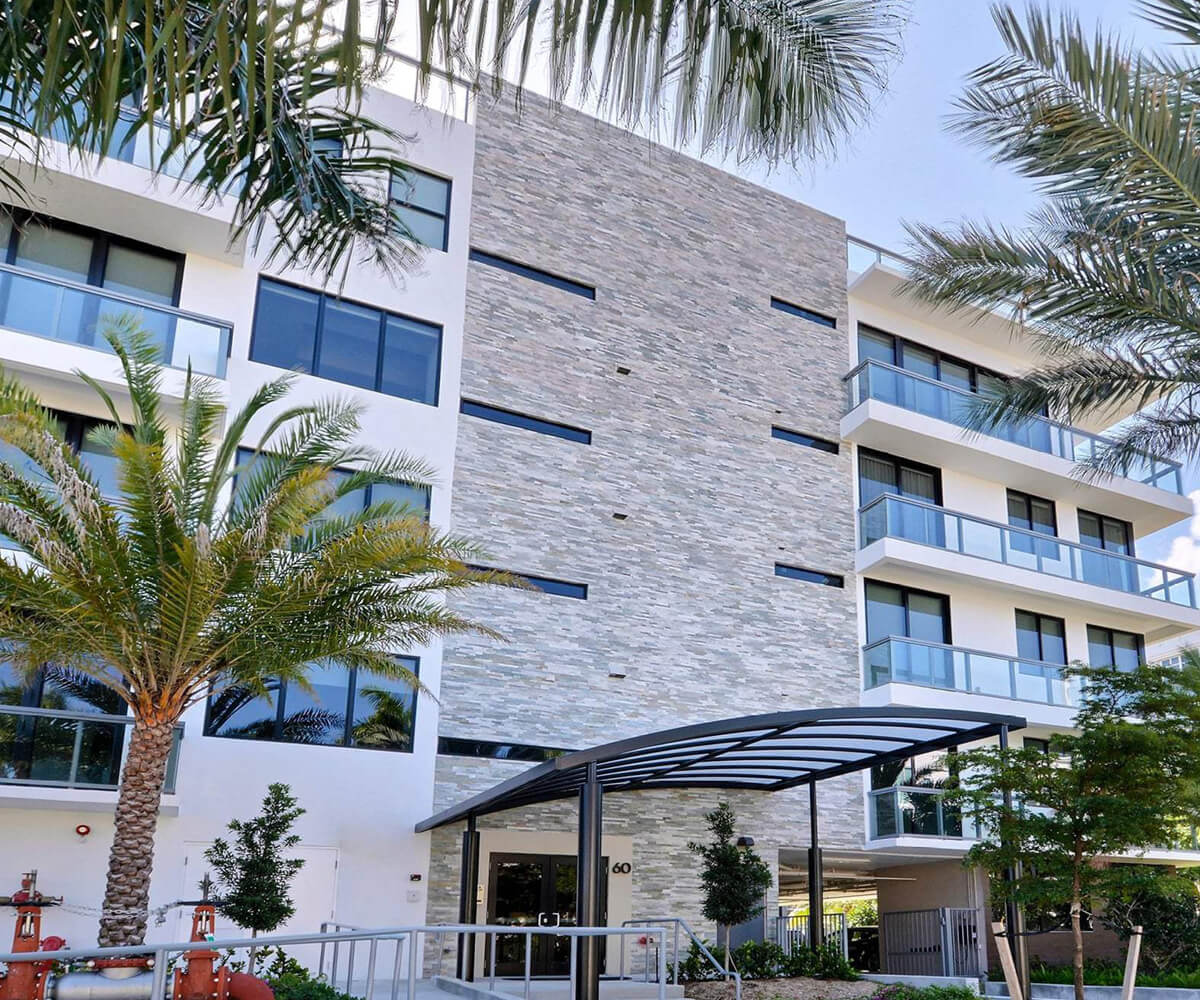
Impact Windows & South Florida Radon Mitigation: What Homeowners Need to Know
When most South Florida homeowners think about impact windows, they think about hurricane protection, lower insurance premiums, and quieter interiors. Radon gas is rarely the first thing that comes to mind. But as more homes in Palm Beach County and Broward County upgrade to high-performance impact windows, a quiet conversation is growing among building scientists, home inspectors, and indoor air quality specialists: does making your home more airtight change how radon behaves inside it?
The short answer is yes, it can. And that is something every South Florida homeowner deserves to understand before, during, and after their impact window installation.
This article covers everything you need to know about radon in South Florida, how impact windows interact with indoor air quality, and what steps you can take to protect your family.
What Is Radon and Why Does It Matter in South Florida?
Radon is a naturally occurring, colorless, odorless radioactive gas. It forms from the natural decay of uranium found in soil and rock. Radon typically moves up through the ground and into buildings through foundation cracks, gaps around pipes, and other openings at the base of a structure.
According to the U.S. Environmental Protection Agency (EPA), radon is the second leading cause of lung cancer in the United States, responsible for approximately 21,000 deaths annually. The EPA action level is 4 picocuries per liter (pCi/L) of air. At or above that threshold, mitigation is strongly recommended.
Do Florida Homes Actually Have a Radon Problem?
Many people assume Florida is low-risk because of its flat terrain and sandy soil. That assumption is partially correct but also dangerously incomplete.
Florida does not have the same uniformly high radon risk as states like Pennsylvania, Minnesota, or Iowa. However, the Florida Department of Health has identified areas of elevated radon risk throughout the state, and South Florida is not immune.
Key radon facts for South Florida homeowners:
- Florida's EPA radon zone designation is largely Zone 3 (lowest predicted average indoor radon screening level), but zone designations are averages, not guarantees for individual properties.
- Certain geologic formations in parts of Palm Beach County, including areas with phosphate-bearing limestone, can produce higher-than-average radon levels.
- Homes built on fill material, older homes with cracked slabs, and homes with enclosed garages or basements (rare but present in some elevated lot areas of Broward County) face higher risk.
- High-rise condos above the third or fourth floor generally have negligible radon risk because the gas disperses before reaching upper levels. Learn more about upper-floor considerations in our guide to impact windows in high-rise condos.
- Slab-on-grade construction, which is extremely common in Boca Raton, Delray Beach, Boynton Beach, and most of Broward County, still carries some radon entry risk through slab cracks and pipe penetrations.
The Florida Department of Health recommends testing all homes regardless of location, because radon levels vary significantly even between neighboring properties.
How Impact Windows Change Your Home's Air Dynamics
To understand the radon connection, you first need to understand what impact windows actually do to your home's envelope.
Standard single-pane aluminum windows - common in 1960s through 1980s South Florida construction - are notoriously leaky. Air infiltrates around frames, through worn weatherstripping, and past degraded glazing compound. This constant low-level air exchange, while unintentional and energy-inefficient, does provide a form of passive ventilation.
Modern impact windows are engineered to an entirely different standard. Products from manufacturers like PGT, CGI, and ES Windows - brands we are proud to carry at Window Guys of Florida - feature multi-point locking systems, robust silicone seals, and thermally broken frames designed to minimize air infiltration. This is excellent for energy efficiency and storm protection. It is also why the indoor air quality conversation becomes important.
When you significantly tighten a home's envelope, several things happen:
- Reduced air changes per hour (ACH): Older leaky homes may naturally exchange indoor and outdoor air several times per hour. A well-sealed modern home may exchange air far less frequently without mechanical ventilation assistance.
- Potential pollutant accumulation: Any pollutant that enters a home and cannot escape easily will accumulate at higher concentrations. This includes radon, volatile organic compounds (VOCs), combustion byproducts, and biological contaminants.
- Changed pressure dynamics: Tighter envelopes can alter the balance between indoor and outdoor air pressure, which influences how strongly radon is drawn in through foundation openings.
This is not a reason to avoid impact windows. The energy savings, insurance benefits, and storm protection they provide are enormous and well-documented. But it is a reason to be intentional about ventilation when you upgrade your home's envelope.
We have written extensively about how impact windows affect indoor air quality in related contexts - including how they filter wildfire smoke. You can read more in our article on impact windows and South Florida air quality benefits.
Radon Entry Pathways in South Florida Homes
Understanding how radon enters your home helps you address it more effectively alongside your window upgrade.
Common Entry Points
Slab cracks and construction joints: The most common entry point in South Florida's slab-on-grade homes. As concrete ages and the ground beneath it shifts - especially in areas with high moisture content - hairline cracks form and provide pathways for soil gases.
Pipe and utility penetrations: Gaps around plumbing, electrical conduit, and HVAC penetrations through the slab create additional entry points. During impact window installations in older Broward and Palm Beach County homes, our crews frequently discover similarly aged plumbing infrastructure that may need attention - a topic covered in our guide to impact windows and aging plumbing.
Block wall cavities: Many South Florida homes from the 1960s through 1980s are concrete block construction. Hollow core blocks can act as channels for radon-laden soil gas to travel upward and enter living spaces through cracks in interior walls or wall-to-floor joints. If you own a home from this era, our guide to impact windows in 1960s-1980s homes covers what you should expect during the upgrade process.
Garage connections: Attached garages, which sit directly on slabs and are often minimally sealed from living spaces, can allow radon (and vehicle exhaust) to migrate into the home.
Radon Levels in Palm Beach County and Broward County: The Data
Florida's statewide radon data shows that most homes test below the EPA action level of 4 pCi/L. However, localized hot spots exist, and the Florida Department of Health has published county-level data that is worth understanding.
Palm Beach County radon considerations:
- Western communities including Wellington, Loxahatchee, and Royal Palm Beach sit closer to areas with phosphate-bearing geological formations.
- Homes in these areas have historically shown higher testing rates above the 2 pCi/L screening level.
- Newer planned communities in western Palm Beach County, while built to modern standards, should still be tested due to the underlying geology.
Broward County radon considerations:
- Broward County overall has relatively lower average radon levels.
- However, Coral Springs, Margate, and Coconut Creek in the western portions of the county show enough variability that testing is still recommended.
- Plantation and Davie homes, particularly those with older slab construction, have occasionally shown elevated readings during real estate transactions.
Importantly, radon levels are highly property-specific. Two identical homes on the same block can have meaningfully different radon levels based on micro-variations in their slab condition, soil beneath them, and ventilation habits. There is no substitute for actual testing.
Testing Your Home for Radon: A South Florida Homeowner's Guide
Radon testing is straightforward, affordable, and the only reliable way to know your home's risk level.
Types of Radon Tests
Short-term tests (2-7 days): Charcoal canister tests are the most common entry-level option. They are inexpensive (typically $15-$30 for the kit, plus lab fees) and provide a snapshot of radon levels during the testing period. Closed-house conditions are required - a consideration during Florida summers when air conditioning runs constantly.
Long-term tests (90+ days): Alpha track detectors provide a more accurate picture of year-round average exposure. These are preferred by many certified radon professionals because short-term results can vary significantly based on weather, HVAC operation, and seasonal pressure changes.
Professional testing: Certified radon measurement professionals can conduct more controlled testing and provide certified results required for some real estate transactions. Florida does not currently license radon testers at the state level, but the National Radon Proficiency Program (NRPP) and National Radon Safety Board (NRSB) both certify professionals operating in South Florida.
When Should You Test?
The ideal time to test is before your impact window installation, and then again 90 days after the installation is complete. This before-and-after approach gives you clear data on whether the tighter envelope has changed your home's radon dynamics.
If you have already installed impact windows without testing, do not wait. Test now.
Radon Mitigation Strategies for South Florida Homes
If your home tests at or above 4 pCi/L, mitigation is recommended regardless of your window type. If you are planning an impact window upgrade, this is an excellent time to address radon simultaneously.
Sub-Slab Depressurization (ASD): The Gold Standard
For slab-on-grade homes - the dominant construction type in Palm Beach and Broward counties - active sub-slab depressurization is the most effective mitigation approach. A licensed contractor installs a pipe through the slab into the soil beneath, connected to a continuously running fan that draws radon-laden soil gas from beneath the foundation and exhausts it outside the home before it can enter.
Costs in South Florida typically range from $800 to $2,500 depending on home size, slab conditions, and the complexity of the installation. The EPA estimates mitigation can reduce indoor radon levels by up to 99% in most cases.
Improved Mechanical Ventilation
For homes where radon levels are in the 2-4 pCi/L range - below the action level but elevated enough to be worth addressing - improving mechanical ventilation can help dilute radon concentrations. This is particularly relevant in tightly sealed homes post-impact window installation.
Options include:
- Energy Recovery Ventilators (ERV) and Heat Recovery Ventilators (HRV): These systems bring fresh outdoor air into the home while recovering the energy from exhaust air. They are increasingly popular in South Florida as homeowners tighten their envelopes.
- Exhaust ventilation systems: Fans that depressurize living spaces and draw in outdoor air through controlled pathways.
- HVAC upgrades: Ensuring your air handler is equipped to introduce and circulate fresh air.
Proper ventilation strategy also benefits other aspects of indoor air quality. Our article on impact windows and wildfire smoke discusses how a tightly sealed home interacts with outdoor air quality events - an important parallel consideration.
Sealing Slab Penetrations
As a complementary measure, sealing visible cracks in slabs, expansion joints, and gaps around pipe penetrations reduces radon entry points. While sealing alone is generally not sufficient as a standalone mitigation strategy, it works well in combination with ASD or improved ventilation.
Coordinating Your Impact Window Project with Radon Mitigation
If you are planning an impact window upgrade, here is how to think about radon as part of that project.
Before Installation
- Conduct a baseline radon test (at minimum a short-term test, ideally a long-term test if you have the time).
- If results are at or above 4 pCi/L, arrange mitigation before or concurrent with your window installation.
- Share your radon test results with your window installer - not because they will mitigate radon, but because understanding the home's current air dynamics helps with planning.
During Installation
Impact window installation involves temporary disruption to your home's envelope. Proper permitting ensures the installation meets Florida Building Code requirements, which include provisions related to whole-house ventilation in tightly sealed homes. Our guide to impact window permits in Palm Beach and Broward explains what homeowners should know about the permitting process.
After Installation
- Allow 30 days for sealants and caulking to fully cure.
- Conduct a post-installation radon test at the 90-day mark.
- If levels have risen above pre-installation measurements, consult a certified radon mitigation contractor.
- Assess your mechanical ventilation situation and consider ERV or HRV installation if your home now feels stuffy or condensation issues emerge.
The Bigger Indoor Air Quality Picture
Radon is one of many indoor air quality considerations that become more relevant as homes are tightened. Impact windows improve your home's resistance to outdoor pollutants - a benefit we explore in our article on impact windows and South Florida air quality - but they also require homeowners to be more intentional about managing the air inside.
Additional indoor air quality considerations for South Florida homeowners with new impact windows:
- Humidity management: South Florida's climate means moisture control is critical. Tight envelopes can trap humidity if HVAC systems are not properly sized and maintained, leading to mold risk.
- VOC off-gassing: New construction materials, furnishings, and finishes release VOCs. In a tighter home, adequate ventilation helps these dissipate faster.
- Combustion appliances: Gas stoves, water heaters, and dryers in tightly sealed homes require proper venting. Backdrafting becomes a greater concern as envelope tightness increases.
Energy-efficient impact windows - particularly those with favorable SHGC and U-factor ratings - contribute positively to overall comfort. Our guide to impact window energy efficiency explains those performance metrics in detail.
What to Ask Your Impact Window Contractor
When meeting with a window installation company, do not hesitate to raise the topic of indoor air quality and ventilation. A knowledgeable contractor should be able to discuss:
- How the new windows affect your home's overall air infiltration rate
- Whether your current HVAC system provides adequate fresh air exchange
- Permit requirements related to ventilation under the Florida Building Code
- Coordination with other trades if you are simultaneously addressing radon, plumbing, or electrical issues
At Window Guys of Florida, our team has over 25 years of experience installing impact windows throughout Palm Beach County and Broward County service areas. We are authorized dealers for PGT, CGI, ES Windows, Andersen, and other leading brands, and we work with homeowners to understand all aspects of their home improvement project.
Contact us for a free consultation and ask about how we approach whole-home comfort and air quality as part of your impact window project.
Summary: Key Takeaways for South Florida Homeowners
- Radon is a genuine health concern in South Florida, particularly in western Palm Beach County and in older slab-on-grade homes throughout Broward County.
- Impact windows tighten your home's envelope, which can influence how radon and other indoor pollutants accumulate.
- Testing before and after your window installation gives you clear, actionable data.
- Sub-slab depressurization is the most effective mitigation method for South Florida's slab-on-grade construction.
- Improved mechanical ventilation - particularly ERV or HRV systems - is increasingly important in tightly sealed homes.
- Radon mitigation and impact window installation are complementary home improvement projects that work best when planned together.
Your home's safety and your family's health are connected in more ways than one. Understanding the full picture - from hurricane protection to indoor air quality - is what separates a smart home improvement investment from an incomplete one.
Explore our hurricane impact windows and hurricane impact doors, or request your free quote today.
Frequently Asked Questions
Does Florida have a radon problem?
Florida is classified as a relatively lower-risk state overall, but radon risk varies significantly by location, geology, and individual property conditions. Parts of Palm Beach County - particularly western communities near phosphate-bearing limestone formations - can show elevated levels. The only way to know your home's actual risk is to test. The Florida Department of Health recommends testing all homes regardless of region.
Will impact windows make my home's radon levels worse?
Impact windows themselves do not generate radon. However, because they significantly tighten a home's envelope and reduce natural air infiltration, they can allow radon that enters through the foundation to accumulate at higher concentrations than it would in a leakier home. This is why testing before and after installation is strongly recommended. If you test and find elevated levels post-installation, a certified radon mitigation contractor can address the issue effectively.
How much does radon mitigation cost in Palm Beach County or Broward County?
For South Florida's typical slab-on-grade construction, active sub-slab depressurization systems generally cost between $800 and $2,500. The price varies based on home size, slab thickness, accessibility for pipe installation, and the number of suction points required. Many contractors offer free assessments. Radon mitigation is a one-time cost with ongoing electricity expense for the fan, typically just a few dollars per month.
Should I test for radon before or after my impact window installation?
Ideally, both. A baseline test before installation tells you your starting point. A follow-up test 90 days after installation tells you whether the tighter envelope has changed your home's radon dynamics. If radon is already at or above 4 pCi/L before your window upgrade, it makes sense to address mitigation before or concurrently with the installation project. Contact our team and we can discuss how to coordinate your project timeline.
Are there ventilation requirements when installing impact windows in Florida?
Yes. Florida Building Code includes provisions related to whole-building ventilation, particularly in homes that are significantly tightened through window and door replacement. Proper permitting of your impact window installation ensures compliance with these requirements. Our article on impact window permits in Palm Beach and Broward explains what homeowners should know before their project begins.
What other indoor air quality issues should I consider alongside radon when getting impact windows?
In addition to radon, South Florida homeowners with newly tightened homes should consider humidity control (mold prevention), VOC off-gassing from new materials and furnishings, combustion appliance venting, and general fresh air exchange rates. An Energy Recovery Ventilator (ERV) or Heat Recovery Ventilator (HRV) can address several of these concerns simultaneously while maintaining the energy efficiency benefits of your new impact windows. Our articles on impact windows and air quality and impact window energy efficiency provide additional context.
Frequently Asked Questions
Does Florida have a radon problem?
Florida is classified as a relatively lower-risk state overall, but radon risk varies significantly by location, geology, and individual property conditions. Parts of Palm Beach County - particularly western communities near phosphate-bearing limestone formations - can show elevated levels. The only way to know your home's actual risk is to test. The Florida Department of Health recommends testing all homes regardless of region.
Will impact windows make my home's radon levels worse?
Impact windows themselves do not generate radon. However, because they significantly tighten a home's envelope and reduce natural air infiltration, they can allow radon that enters through the foundation to accumulate at higher concentrations than it would in a leakier home. This is why testing before and after installation is strongly recommended. If you test and find elevated levels post-installation, a certified radon mitigation contractor can address the issue effectively.
How much does radon mitigation cost in Palm Beach County or Broward County?
For South Florida's typical slab-on-grade construction, active sub-slab depressurization systems generally cost between $800 and $2,500. The price varies based on home size, slab thickness, accessibility for pipe installation, and the number of suction points required. Many contractors offer free assessments. Radon mitigation is a one-time cost with ongoing electricity expense for the fan, typically just a few dollars per month.
Should I test for radon before or after my impact window installation?
Ideally, both. A baseline test before installation tells you your starting point. A follow-up test 90 days after installation tells you whether the tighter envelope has changed your home's radon dynamics. If radon is already at or above 4 pCi/L before your window upgrade, it makes sense to address mitigation before or concurrently with the installation project. Contact our team and we can discuss how to coordinate your project timeline.
Are there ventilation requirements when installing impact windows in Florida?
Yes. Florida Building Code includes provisions related to whole-building ventilation, particularly in homes that are significantly tightened through window and door replacement. Proper permitting of your impact window installation ensures compliance with these requirements. Our article on impact window permits in Palm Beach and Broward explains what homeowners should know before their project begins.
What other indoor air quality issues should I consider alongside radon when getting impact windows?
In addition to radon, South Florida homeowners with newly tightened homes should consider humidity control (mold prevention), VOC off-gassing from new materials and furnishings, combustion appliance venting, and general fresh air exchange rates. An Energy Recovery Ventilator (ERV) or Heat Recovery Ventilator (HRV) can address several of these concerns simultaneously while maintaining the energy efficiency benefits of your new impact windows. Learn more in our articles on impact windows and air quality and impact window energy efficiency.