
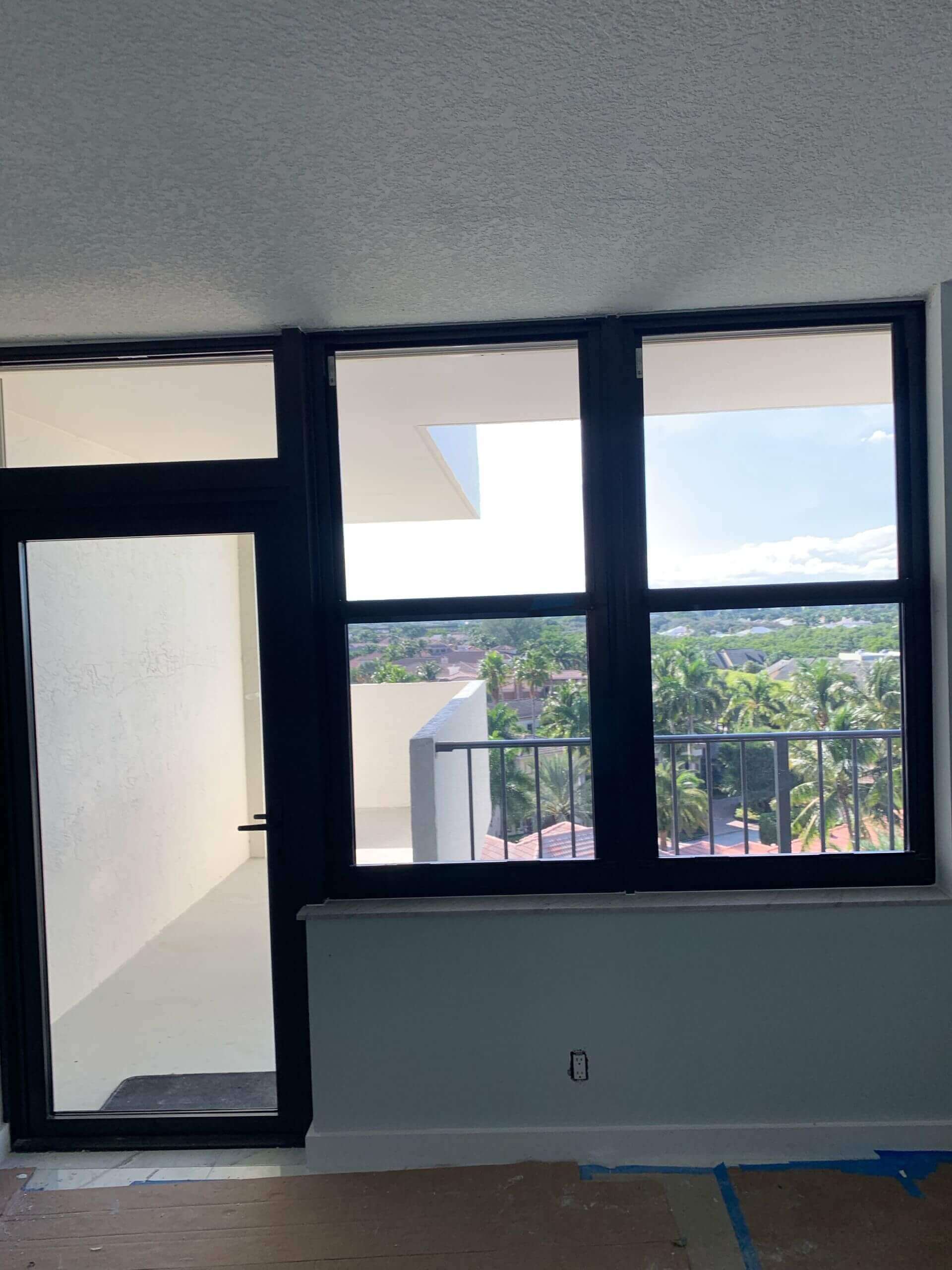
Impact Windows for South Florida Antique Furniture Collectors: Protecting Irreplaceable Heirlooms from Hurricanes and UV Damage
For antique furniture collectors in Palm Beach County and Broward County, every piece in your home tells a story. A hand-carved mahogany secretary desk from the 1820s. A Victorian parlor settee that survived multiple generations. A set of Arts and Crafts dining chairs that took years to source. These are not just objects - they are irreplaceable connections to history, craftsmanship, and family legacy.
But South Florida's environment is, frankly, one of the most hostile on earth for antique furniture. You are dealing with a triple threat that no other region quite matches: catastrophic hurricane winds and flooding, ultraviolet radiation that bleaches and degrades wood finishes in record time, and year-round subtropical humidity that warps, swells, and destroys organic materials without mercy.
The good news is that impact windows engineered for Florida's climate do far more than protect you from storm debris. When properly specified, they form a comprehensive environmental barrier that addresses all three of these threats simultaneously. This guide explains exactly how - and what Palm Beach and Broward County antique collectors need to know before making their next investment.
Why South Florida Is Particularly Dangerous for Antique Furniture
The Hurricane Threat
Florida averages more hurricane landfalls than any other U.S. state. In Palm Beach County alone, residents have lived through the direct or near-direct impacts of storms including Frances, Jeanne, Wilma, and Dorian in relatively recent memory. A Category 2 or stronger hurricane can generate wind speeds exceeding 110 mph, turning shattered window glass into high-velocity projectiles and allowing massive water intrusion within minutes.
For antique furniture, a single storm event can cause total loss. Shattered windows admit wind-driven rain that saturates upholstery and swells wood joints beyond repair. Storm surge and flooding deposit salt water, sediment, and contaminants into finishes that took craftsmen lifetimes to perfect. Flying debris can physically destroy pieces that survived wars and ocean crossings. No amount of moving items to interior rooms provides complete protection if your windows and doors fail.
The UV Radiation Problem
South Florida receives among the highest levels of ultraviolet radiation in the continental United States. UV-A and UV-B rays cause photochemical degradation that is cumulative and largely irreversible. For antique furniture, this means:
- Fading and bleaching of original stains, paints, and patinas that took decades or centuries to develop
- Breakdown of lacquer and varnish finishes that protect underlying wood surfaces
- Degradation of upholstery fabrics, including silk, wool, and cotton that may be original to the piece
- Oxidation of gilded surfaces, brass hardware, and decorative inlays
- Drying and cracking of leather on chair seats, desk surfaces, and cabinets
According to the Getty Conservation Institute, UV radiation is responsible for approximately 40 percent of all light-induced damage to museum artifacts. Even indirect sunlight filtering through standard glass causes measurable degradation over time. For a collector in Boca Raton or Fort Lauderdale with south- or west-facing rooms, unprotected glass is actively destroying your collection every single day.
This challenge closely mirrors what art collectors face. Our article on impact windows for South Florida art collectors covers UV protection in depth for paintings and mixed-media works - many of those principles apply directly to antique furniture as well.
Humidity and Moisture Cycling
South Florida's average annual relative humidity hovers around 74 percent, with summer months regularly exceeding 85 to 90 percent. Wood is hygroscopic - it absorbs and releases moisture based on ambient conditions. When humidity fluctuates dramatically (which it does every time a cold front passes or when air conditioning cycles on and off), wood expands and contracts repeatedly.
This moisture cycling is what destroys antique furniture over time. Joints open and weaken. Veneers delaminate and bubble. Marquetry inlays lift and separate. Painted surfaces crack. For 18th- and 19th-century pieces constructed with traditional animal-hide glues that are already centuries old, South Florida's humidity is particularly destructive. Even a few years of inadequate environmental control can undo decades of careful conservation.
If you are also a collector of vintage textiles or clothing displayed alongside your furniture, our guide on impact windows for vintage clothing and textile collectors covers complementary humidity and UV protection strategies for those materials.
How Impact Windows Protect Antique Furniture: A Multi-Layer Defense
Layer 1: Hurricane-Force Wind and Impact Resistance
Modern impact windows approved under Florida Building Code standards are constructed with laminated safety glass - typically two panes of tempered or heat-strengthened glass bonded to a tough polyvinyl butyral (PVB) or ionoplast interlayer. This construction means that even when the outer glass cracks under impact, the interlayer holds the assembly intact. Wind, rain, and debris cannot penetrate.
For antique furniture collectors, this provides the most fundamental protection: your home's envelope remains sealed during a hurricane. Water intrusion is prevented. Pressure differentials that can cause roof failure are managed. And the catastrophic scenario of storm debris physically striking your heirloom pieces becomes essentially impossible.
At Window Guys of Florida, we are authorized dealers for PGT, CGI, ES Windows, and Andersen, all of which offer products tested and certified to meet or exceed Miami-Dade County's notoriously stringent impact resistance requirements - the toughest in the nation. These products protect homes throughout Palm Beach and Broward Counties.
Layer 2: UV Blocking Performance
This is where impact windows specifically engineered for Florida's climate separate themselves from standard glazing. High-performance laminated impact glass, especially when combined with low-emissivity (Low-E) coatings, can block 95 to 99 percent of UV-A and UV-B radiation.
The PVB interlayer itself provides substantial UV filtering - this is one reason why museum-grade glass and security glazing both use laminated construction. When you add a spectrally selective Low-E coating, you gain additional control over visible light transmission and solar heat gain as well.
For a collector in Wellington or Delray Beach with valuable period furniture in sun-exposed rooms, the difference between standard glass and UV-filtering impact glass is the difference between active destruction and genuine preservation. Objects that might show visible fading within five years behind standard glass can remain stable for decades behind properly specified impact glazing.
This same UV blocking benefit extends to other collections throughout the home. If you also collect rare books, impact windows for home libraries discusses how UV filtering protects paper, leather bindings, and pigmented inks - all relevant concerns for collectors whose reading rooms house period furniture alongside their books.
Layer 3: Thermal Performance and Indoor Climate Stability
Impact windows with Low-E coatings significantly reduce solar heat gain - the amount of the sun's energy that passes through glass and heats your interior spaces. In South Florida, this is enormous. Standard single-pane or older double-pane windows allow solar energy to turn your living spaces into greenhouses, forcing your air conditioning to work overtime and creating dramatic temperature swings near window areas.
For antique furniture, temperature stability is nearly as important as humidity control. Rapid temperature swings accelerate the same wood movement that humidity cycling causes. Hot spots near unprotected windows can dry out and crack finishes, cause glue joint failure, and bleach surfaces even without direct UV exposure.
High-performance impact glass systems maintain much more consistent interior temperatures by reducing solar heat gain coefficients (SHGC) to 0.25 or lower. Your air conditioning operates more efficiently, temperature distribution across rooms becomes more even, and the micro-environment around your furniture becomes dramatically more stable.
Collectors who also maintain cigar humidors in their homes will recognize this challenge immediately - environmental stability is critical for preservation. Our guide on impact windows for South Florida cigar rooms covers temperature and humidity management strategies that complement antique furniture protection.
Layer 4: Air Sealing and Humidity Infiltration Control
Older windows - especially the single-hung aluminum frames common in mid-century Florida construction - are notoriously leaky. Humid outdoor air infiltrates constantly around poorly sealed frames, undermining even the best HVAC dehumidification. Modern impact window systems use multi-point locking mechanisms, high-performance weatherstripping, and precision-engineered frame tolerances that dramatically reduce air infiltration.
When outdoor humidity cannot easily infiltrate your home, your HVAC system can actually maintain consistent interior relative humidity levels. For antique furniture conservation, maintaining relative humidity between 45 and 55 percent year-round is the gold standard. Modern impact windows make this achievable in South Florida in a way that older window systems simply cannot support.
Choosing the Right Impact Windows for Antique Furniture Protection
Glass Specifications That Matter
Not all impact windows offer the same level of preservation protection. When selecting products to protect an antique furniture collection, prioritize:
UV Transmittance: Look for products that specify UV transmittance below 1 percent. Standard laminated impact glass typically achieves 2 to 5 percent UV transmittance. Products with additional Low-E coatings can achieve sub-1 percent performance.
Visible Light Transmittance (VLT): High UV blocking does not require sacrificing natural light. Modern spectrally selective coatings can block nearly all UV while maintaining 55 to 70 percent visible light transmission, preserving the natural appearance of your rooms.
Solar Heat Gain Coefficient (SHGC): For collections in south- or west-facing rooms, choose products with SHGC of 0.25 or lower. This dramatically reduces thermal stress on furniture surfaces.
Frame Material and Sealing: PVC (vinyl) frames offer excellent thermal performance and will not corrode in South Florida's salt air environment. Aluminum frames with thermally broken construction are appropriate where aesthetics require a slimmer profile.
Interior Shading as a Complement
Even the best impact glass benefits from interior window treatments in rooms with the most valuable pieces. UV-filtering window films, solar shades, or interior shutters can add additional protection during peak sun hours. These work alongside impact glass - the impact window handles hurricane protection and baseline UV filtering while shading provides fine-tuned light control.
Impact Doors and Complete Envelope Protection
A critical point many collectors overlook: hurricane protection and UV/environmental control are only as effective as the weakest point in your home's envelope. If you install high-performance impact windows but leave sliding glass doors or French doors with standard glazing, you have left a significant vulnerability. Impact-rated door systems offer the same glass specifications as windows and should be part of any comprehensive collection protection plan.
Room-by-Room Considerations for Antique Furniture Collectors
Living Rooms and Formal Parlors
These rooms often house the most valuable and display-oriented pieces. South and west exposures are highest priority for UV-blocking Low-E glass. Consider window placement relative to furniture arrangement - pieces placed directly in a window view receive dramatically more cumulative radiation than those positioned at angles to windows.
Dining Rooms
Period dining furniture - tables, chairs, sideboards, and china cabinets - often includes delicate veneers, marquetry, and hardware that are particularly UV-sensitive. Dining rooms with east or west exposures benefit most from spectrally selective coatings.
Bedrooms and Private Sitting Rooms
Collectors frequently use bedrooms to house pieces that are personally significant or particularly fragile. Bedroom windows are often overlooked in renovation planning but deserve the same specification attention as main living areas.
Studies and Home Libraries
Many antique furniture collectors also collect period books, maps, and documents displayed alongside furniture. A unified impact window specification protects all of these materials. Our article on impact windows for South Florida home libraries explores this overlap in detail.
The Real Cost of Not Acting: What You Stand to Lose
A single Category 3 hurricane making landfall near Palm Beach County - a scenario with statistical probability every active hurricane season - can generate storm surge of 9 to 12 feet in coastal areas and wind speeds that destroy standard windows in seconds. The Federal Emergency Management Agency estimates that water damage from a single major storm can total hundreds of thousands of dollars for a well-appointed home.
For antique furniture collectors, however, the financial loss is often the secondary concern. A documented William and Mary highboy or a signed Chippendale desk cannot be replaced regardless of insurance coverage. Conservation institutions including the Smithsonian and the Victoria and Albert Museum spend millions annually to maintain the controlled environments that prevent exactly the kind of damage South Florida's climate routinely causes to unprotected pieces.
The investment in properly specified impact windows and doors is, for most collectors, a fraction of the value of what is being protected - and unlike insurance, it prevents loss rather than compensating for it after the fact.
Collectors with adjacent or overlapping collections will find similar cost-benefit analyses in our guides for vintage car collectors' garages and luxury watch and jewelry collectors.
Why Palm Beach and Broward County Collectors Trust Window Guys of Florida
Window Guys of Florida has been protecting South Florida homes and their contents for more than 25 years. We understand that for antique furniture collectors, this is not a standard renovation project - it is a conservation decision with long-term consequences for irreplaceable objects.
As authorized dealers for PGT, CGI, ES Windows, and Andersen, we offer the full range of high-performance impact glazing products and can specify the right combination of UV filtration, solar heat gain control, and impact resistance for each room in your home. We serve collectors throughout Palm Beach and Broward Counties, from the historic estates of Palm Beach Island to the waterfront homes of Fort Lauderdale to the inland estates of Wellington and Boca Raton.
Every installation is performed by our licensed, insured crews with full compliance to Florida Building Code requirements and manufacturer specifications.
Contact us today for a free consultation and discuss how we can build the right impact window solution for your collection and your home.
Frequently Asked Questions
See the FAQ section below for detailed answers to the most common questions from antique furniture collectors considering impact windows.
Frequently Asked Questions
Do impact windows actually block enough UV to protect antique furniture finishes?
Yes - high-quality impact windows with laminated glass and Low-E coatings can block 95 to 99 percent of UV-A and UV-B radiation, which is the primary driver of fading, finish degradation, and upholstery bleaching. Standard impact glass without Low-E coatings blocks roughly 95 to 97 percent of UV through the PVB interlayer alone. When you specify products with additional spectrally selective coatings, sub-1 percent UV transmittance is achievable. This is the same principle used in museum-grade glazing. For the most valuable pieces in south- or west-facing rooms, we recommend products specifically rated for UV transmittance - our team can help you select the right specifications during a free consultation.
Will impact windows really help with humidity control for my antique furniture?
Significantly, yes. Older aluminum-framed windows common in Florida homes are notoriously leaky, allowing humid outdoor air to infiltrate constantly and undermine your air conditioning's dehumidification capacity. Modern impact window systems use precision-engineered frames, multi-point locking, and high-performance weatherstripping that dramatically reduce air infiltration. This allows your HVAC system to actually maintain consistent interior relative humidity - ideally between 45 and 55 percent for furniture conservation. You can learn more about how environmental control works for preservation-sensitive collections in our guide on impact windows for South Florida home libraries, which faces identical humidity challenges.
What glass specifications should I prioritize for a room with my most valuable antique pieces?
For maximum protection of high-value antique furniture, prioritize three specifications: UV transmittance below 1 percent (requires Low-E coating in addition to standard laminated glass), a Solar Heat Gain Coefficient (SHGC) of 0.25 or lower for south- and west-facing rooms, and a Visible Light Transmittance (VLT) of 55 percent or higher to preserve natural ambiance. Frame selection matters too - thermally broken aluminum or vinyl frames reduce condensation risk and thermal bridging that can create localized humidity problems near window areas. Our team at Window Guys of Florida can review your specific room exposures and recommend the right product from our lineup of impact window brands including PGT, CGI, ES Windows, and Andersen. Reach out for a free quote.
Should I also replace my sliding glass doors and French doors to protect my collection?
Absolutely. Hurricane and environmental protection is only as effective as the weakest point in your home's envelope. Standard sliding glass doors and French doors with non-impact glass represent major vulnerabilities both for storm damage and for UV infiltration. Impact-rated door systems offer the same laminated glass specifications as impact windows and should be part of any comprehensive protection plan. A single failed sliding glass door during a hurricane admits the same catastrophic wind and water intrusion as a failed window - and in many South Florida homes, sliding doors represent a far larger glass surface area than any individual window.
I have antique furniture alongside other valuable collections - can impact windows protect all of them?
Yes - the UV blocking, humidity control, and hurricane protection that impact windows provide are equally beneficial across a wide range of valuable collections. Many of our clients in Palm Beach and Broward County are multi-collectors who protect antique furniture alongside vintage textiles, rare books, fine art, musical instruments, and wine. We have written guides for many of these collection types, including impact windows for vintage clothing and textile collectors, impact windows for art collectors, and impact windows for home libraries. A single properly specified installation protects everything in your home simultaneously.
How much does it cost to install impact windows in a home with antique furniture collections in Palm Beach or Broward County?
Impact window costs vary based on home size, number of openings, specific glass specifications, and frame choices. For a typical South Florida home, a complete impact window and door installation generally ranges from $15,000 to $50,000 or more depending on scope and product selection. For antique furniture collectors, the relevant comparison is not cost versus standard windows - it is cost versus the value of what is being protected and the potential for irreplaceable loss in a single storm event. Many collectors also realize insurance premium reductions, energy savings from improved thermal performance, and increased home resale value that offset a meaningful portion of the investment. Contact Window Guys of Florida for a free, no-obligation consultation and detailed estimate for your specific home.