
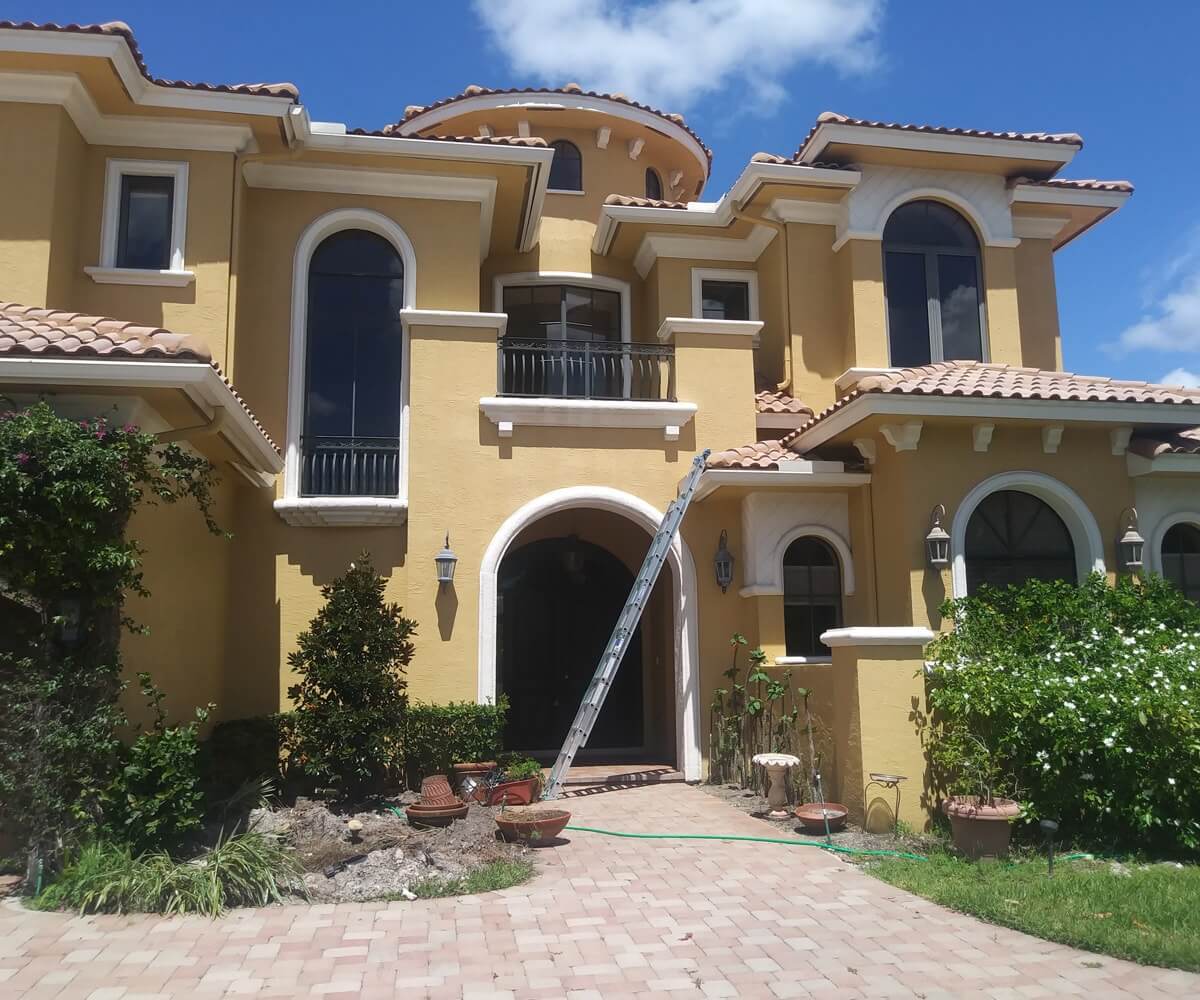
Impact Window Insurance Claims Denied: What Palm Beach and Broward Homeowners Did Wrong
You invested $15,000 or more in hurricane impact windows. You survived the storm. You filed your insurance claim. Then the letter arrived: claim denied.
This scenario plays out hundreds of times every year across Palm Beach County and Broward County. And in nearly every case, the denial traces back to a mistake made long before any storm hit - sometimes years before.
The painful truth is that most impact window insurance claim denials are entirely preventable. They have nothing to do with the quality of your windows or the legitimacy of your loss. They stem from paperwork gaps, installation shortcuts, and misunderstandings about what insurers actually require to honor a claim.
This guide breaks down the most common mistakes South Florida homeowners make, why they trigger rejections, and what you should do right now - before the next hurricane season - to protect your investment.
Why South Florida Insurance Claims Are Uniquely Complicated
Florida's insurance landscape is unlike any other state. Between the High Velocity Hurricane Zone designations, Citizens Property Insurance requirements, and the wave of private insurers restricting or exiting the market, homeowners in Boca Raton, Fort Lauderdale, West Palm Beach, and everywhere in between face a minefield of policy conditions.
Impact windows and doors are supposed to make your life easier - and they absolutely can reduce your premiums significantly, as we cover in our guide to Impact Window Tax Credits and Insurance Discounts 2025. But only if every step of the installation and documentation process is done correctly.
Insurers are not looking for reasons to pay your claim. They are looking for reasons not to. That is the reality of the current market, and it is why documentation matters more than ever.
The 8 Most Common Mistakes That Get Impact Window Claims Denied
1. No Permit Was Pulled - Or the Permit Was Never Closed
This is the single most common reason hurricane window claims get denied in Palm Beach and Broward counties. Homeowners assume that because the contractor installed the windows, the permit work is handled. Very often, it is not.
There are two distinct permit failures that cause claim rejections:
The permit was never pulled at all. Some contractors - particularly unlicensed or lower-cost operators - skip the permit entirely. This is illegal, and it creates a serious problem: your insurer can argue the installation was not code-compliant, voiding coverage related to that opening.
The permit was pulled but never finaled. A permit without a final inspection is legally considered an open, incomplete project. Insurers frequently check permit records as part of the claims process. An open permit signals that nobody officially verified the work met code.
Understanding the full permit process in your county is critical. Our article on Impact Window Permits in Palm Beach and Broward: What Contractors Won't Tell You covers exactly what to verify before your contractor leaves the job site.
What to do: Contact your county's building department and confirm your permit status. In Palm Beach County, permits can be checked through the ePZB portal. In Broward, check through the BSO Permit Portal. If your permit is open, contact your original contractor immediately - or hire a licensed contractor to close it.
2. The Windows Were Not Listed for Your Wind Zone
Not all impact windows are created equal - and not all impact windows meet the requirements for every location in South Florida. Broward County and the coastal sections of Palm Beach County fall within the High Velocity Hurricane Zone (HVHZ), which has significantly stricter requirements than non-HVHZ areas.
If your home is in an HVHZ-designated area and your windows do not carry the Miami-Dade Notice of Acceptance (NOA) required for that zone, your insurer can deny claims on the grounds that your openings were not properly protected to code.
This also connects to Design Pressure ratings. Windows must meet the specific DP rating required for your home's location, height, and exposure category. A window that works perfectly in a Delray Beach neighborhood may not meet the specifications for a waterfront property in Deerfield Beach or a high-rise in Fort Lauderdale.
We explain the HVHZ vs. non-HVHZ distinction in detail in our guide: HVHZ vs Non-HVHZ in Broward: Impact Windows.
What to do: Locate the product approval documentation for your windows. This should include the Florida Product Approval number and, for HVHZ areas, the Miami-Dade NOA. Your installer should have provided these documents at the time of installation.
3. Missing or Incomplete Wind Mitigation Report
A wind mitigation inspection is the formal documentation that tells your insurance company your home has specific hurricane protection features. Without an up-to-date wind mitigation report that correctly reflects your impact windows, you may not only miss out on discounts - you may find your claim disputed because your policy coverage tier does not match what was actually installed.
Common wind mitigation report mistakes that lead to claim complications:
- The report was never updated after impact windows were installed
- The inspector used the wrong form or an outdated version
- The report does not specify that all openings are protected (a single unprotected opening can change your rating)
- The report was completed by someone without proper OIR-B1-1802 certification
The comparison between what Palm Beach County and Broward County homeowners experience in this process is worth understanding. See our breakdown: PBC vs Broward: Impact Window Insurance Discounts.
What to do: Schedule a wind mitigation inspection through a licensed inspector within 90 days of your window installation. Submit the updated report to your insurer and request written confirmation that your policy has been updated to reflect the new rating.
4. Installed Windows Did Not Cover All Openings
This is a painful and surprisingly common issue. A homeowner replaces all of their windows with impact-rated glass but leaves one set of French doors, a garage door, or a sliding glass door without equivalent protection. Or they replace windows on the main living floors but leave old jalousie windows in a Florida room.
Insurers require that ALL openings in the structure be protected to achieve full wind mitigation credit - and in some policies, having even one non-compliant opening can shift liability dramatically during a claim.
This becomes especially relevant for homeowners with hurricane impact doors as part of a whole-home protection strategy. Windows alone are not always enough.
We discuss the implications of partial protection in our post on Impact Window Failures After Hurricanes: What Inspectors Found.
What to do: Audit every opening in your home. This includes entry doors, sliding glass doors, garage doors, skylights, and any secondary structures attached to the main home. If any opening lacks impact protection, it needs to be addressed.
5. The Contractor Was Not Licensed or Insured
Florida law requires that impact window installation be performed by a licensed contractor. If your installer was not properly licensed at the time of installation, your insurance company may argue that the work was not performed to a legal standard - and deny your claim accordingly.
The problem is that many homeowners make their decision based on price alone, and unlicensed contractors often undercut legitimate ones significantly. The savings feel real until the claim denial arrives.
This also creates problems with product warranties, which we cover in detail in our article on Impact Window Warranty Red Flags: Palm Beach and Broward. Many manufacturer warranties are voided if the product was not installed by a licensed contractor.
What to do: Verify your contractor's license through the Florida Department of Business and Professional Regulation (DBPR) website. You should be able to find their license number, license type, and any disciplinary history. At Window Guys of Florida, we are fully licensed, insured, and have served South Florida homeowners for 25+ years. Learn more on our About Us page.
6. Improper Installation Methods
Even when permits are pulled and contractors are licensed, installation errors can create problems during a claim. Insurers and post-storm inspectors look for signs of improper installation as grounds for reducing or denying payouts.
Common installation errors that raise red flags:
- Incorrect anchor spacing or fastener type for the substrate
- Improper use of sealant or flashing that allows water intrusion
- Frames installed without proper shimming, causing stress on the glass unit
- Retrofit installations where full-frame replacement was required
The distinction between retrofit and full-frame installation matters significantly in some claim scenarios. Our guide on Retrofit vs Full-Frame Impact Windows: Hurricane Test explains when each approach is appropriate.
For coastal properties dealing with salt exposure and seal integrity, improper installation can also accelerate seal failure in ways that complicate claims. See our article on Salt Air Impact Window Seal Failure: FL Guide.
What to do: Request installation documentation from your contractor, including photos taken during installation. These serve as evidence of proper procedure if a claim is ever disputed.
7. Filing a Claim for Damage That Was Pre-Existing or Maintenance-Related
Insurance covers sudden, storm-related damage. It does not cover gradual deterioration, deferred maintenance, or damage that pre-dated the current policy period. When homeowners file claims for seal failures, water intrusion around frames, or hardware corrosion and attribute them to a storm, adjusters are trained to identify whether the damage pattern is consistent with sudden impact or long-term degradation.
For coastal homes in areas like Juno Beach, Highland Beach, Lauderdale-by-the-Sea, and other oceanfront communities, this distinction matters enormously. Salt air accelerates wear on seals and hardware. If you have not kept up with maintenance, damage that looks storm-related may actually be classified as maintenance neglect by an adjuster.
Our maintenance guide covers what South Florida coastal homeowners should be doing: Coastal Impact Window Maintenance: Jupiter to Hollywood.
What to do: Keep a maintenance log. Document every cleaning, adjustment, and seal inspection with dates. This creates a paper trail showing the windows were in good condition before the storm event.
8. Not Documenting Pre-Storm and Post-Storm Conditions
One of the most overlooked steps in the entire claims process is simple photographic documentation. Homeowners who cannot show the condition of their windows before a storm have no baseline to compare against post-storm damage - and insurers will use that ambiguity against them.
What to do: Before every named storm threat, photograph all window and door openings from both inside and outside. After the storm, document everything before cleanup begins. These photos can be the difference between a paid claim and a denied one.
What to Do If Your Claim Has Already Been Denied
If you have already received a denial, do not accept it as final. Florida law gives homeowners specific rights in this situation.
Step 1: Request the Full Denial Letter in Writing
Insurers must explain in specific detail why a claim was denied. Review the reason carefully - it will tell you exactly what documentation gap or policy condition they are citing.
Step 2: Consult a Licensed Public Adjuster
Public adjusters work on behalf of the homeowner, not the insurer. They know how to document losses, interpret policy language, and negotiate with carriers. In Florida, they are licensed by the Department of Financial Services.
Step 3: Consider a Property Insurance Attorney
For larger claims, a property insurance attorney can file a formal dispute. Florida has specific statutes protecting homeowners from bad-faith insurance practices, and many attorneys work on contingency for these cases.
Step 4: File a Complaint with the Florida Department of Financial Services
The DFS accepts complaints against insurers and has the authority to investigate unfair claims practices. This creates an official record and can prompt carriers to reconsider.
How to Protect Yourself Going Forward
Whether you are planning a new installation or trying to protect an existing one, the steps are the same:
- Use a licensed, insured contractor with verifiable references in Palm Beach or Broward County
- Pull the permit and confirm the final inspection is completed before you make final payment
- Obtain all product approval documentation at the time of installation
- Update your wind mitigation report within 90 days of installation completion
- Ensure all openings are protected - not just windows, but doors and any other penetrations
- Maintain your windows according to manufacturer guidelines and document that maintenance
- Photograph your windows before and after every storm season
For homeowners who want to understand the full scope of what proper hurricane impact windows should include from a product standpoint, our Impact Window Brands in Palm Beach and Broward Compared guide explains what to look for in PGT, CGI, ES Windows, Andersen, and other top brands.
A Note for Waterfront and High-Rise Homeowners
If your home sits on the water or above the fifth floor of a building, your claim risk profile is higher - and the documentation requirements are more demanding.
Waterfront homes in communities like Palm Beach, Manalapan, Hillsboro Beach, and Golden Beach face unique exposure conditions that affect both window performance and claims assessment. Our guide on Impact Windows for Waterfront Homes: Palm Beach and Broward Guide addresses these specific considerations.
For high-rise residents, pressure differentials, building sway, and water intrusion at altitude create a different set of technical requirements that directly affect whether a claim holds up. See our resource on High-Rise Impact Windows in Broward: 5th Floor+.
The Bottom Line
Impact window insurance claims get denied in Palm Beach and Broward counties every single year - not because the storms were not bad enough, not because the windows failed to perform, but because the paperwork was not in order.
The investment you made in hurricane protection deserves to be backed by the insurance coverage you are paying for. That means being proactive about permits, documentation, and maintenance rather than assuming everything is fine until you need to file.
If you are planning a new installation or want to audit your existing impact windows to make sure your claim documentation is solid, the team at Window Guys of Florida is ready to help. We serve homeowners throughout Palm Beach and Broward counties and we have helped thousands of South Florida families navigate exactly these issues over our 25+ years in business.
Contact us today for a free consultation - before the next storm gives you a reason to wish you had.
Frequently Asked Questions
Why would an impact window insurance claim be denied if the windows performed correctly?
Performance is only one factor insurers evaluate. Even if your windows survived a storm without breaking, a claim can be denied for administrative reasons: no permit on record, an unlicensed installer, missing product approval documentation, or a wind mitigation report that does not reflect the current installation. The window working correctly does not guarantee the claim will be approved - the paperwork has to match.
How long after impact window installation should I update my wind mitigation report?
You should schedule a wind mitigation inspection within 90 days of your final installation inspection. Submit the updated report to your insurer immediately after and request written confirmation that your policy has been updated. Delays in updating the report mean you may be paying higher premiums than necessary, and your coverage tier may not reflect what is actually installed. For a deeper look at how discounts work by county, see our guide: PBC vs Broward: Impact Window Insurance Discounts.
Does leaving one non-impact door or window really affect my entire claim?
Yes, it can. Many insurance policies evaluate whole-home opening protection as a package. If a single opening - a garage door, a sliding glass door, or even a Florida room window - is not rated for the applicable wind zone, it can change your wind mitigation classification and give the insurer grounds to dispute damage attributed to that opening or related structural areas. Protecting all openings, including with proper hurricane impact doors, is essential for comprehensive coverage.
What documentation should I have on hand to support an impact window claim?
You should be able to produce the following: the finaled building permit, Florida Product Approval numbers for your windows and doors, Miami-Dade NOA (if you are in an HVHZ area), contractor license and insurance documentation, your updated wind mitigation report, pre-installation and post-installation photos, and any maintenance records. If you are missing any of these, work to obtain them now rather than waiting until after a storm.
Can I appeal a denied impact window insurance claim in Florida?
Yes. Florida law gives homeowners the right to dispute claim denials. Start by requesting a written explanation of the denial, then consult a licensed public adjuster or a property insurance attorney. You can also file a complaint with the Florida Department of Financial Services if you believe the denial was made in bad faith. Many claims that are initially denied are later reversed or settled through negotiation when proper documentation is presented. Contact us and we can point you toward resources that can help.
Does the brand or model of my impact windows affect my claim outcome?
Indirectly, yes. Premium brands that carry well-documented Florida Product Approvals and Miami-Dade NOAs provide a clearer paper trail that supports your claim. Cheaper or lesser-known products may lack comprehensive documentation, making it harder to prove code compliance to an adjuster. Our Impact Window Brands in Palm Beach and Broward Compared guide covers what to look for from a documentation standpoint when choosing between manufacturers.
Frequently Asked Questions
Why would an impact window insurance claim be denied if the windows performed correctly?
Performance is only one factor insurers evaluate. Even if your windows survived a storm without breaking, a claim can be denied for administrative reasons: no permit on record, an unlicensed installer, missing product approval documentation, or a wind mitigation report that does not reflect the current installation. The window working correctly does not guarantee the claim will be approved - the paperwork has to match.
How long after impact window installation should I update my wind mitigation report?
You should schedule a wind mitigation inspection within 90 days of your final installation inspection. Submit the updated report to your insurer immediately after and request written confirmation that your policy has been updated. Delays in updating the report mean you may be paying higher premiums than necessary, and your coverage tier may not reflect what is actually installed. For a deeper look at how discounts work by county, see our guide: PBC vs Broward: Impact Window Insurance Discounts.
Does leaving one non-impact door or window really affect my entire claim?
Yes, it can. Many insurance policies evaluate whole-home opening protection as a package. If a single opening - a garage door, a sliding glass door, or even a Florida room window - is not rated for the applicable wind zone, it can change your wind mitigation classification and give the insurer grounds to dispute damage attributed to that opening or related structural areas. Protecting all openings, including with proper hurricane impact doors, is essential for comprehensive coverage.
What documentation should I have on hand to support an impact window claim?
You should be able to produce the following: the finaled building permit, Florida Product Approval numbers for your windows and doors, Miami-Dade NOA (if you are in an HVHZ area), contractor license and insurance documentation, your updated wind mitigation report, pre-installation and post-installation photos, and any maintenance records. If you are missing any of these, work to obtain them now rather than waiting until after a storm.
Can I appeal a denied impact window insurance claim in Florida?
Yes. Florida law gives homeowners the right to dispute claim denials. Start by requesting a written explanation of the denial, then consult a licensed public adjuster or a property insurance attorney. You can also file a complaint with the Florida Department of Financial Services if you believe the denial was made in bad faith. Many claims that are initially denied are later reversed or settled through negotiation when proper documentation is presented. Contact us and we can point you toward resources that can help.
Does the brand or model of my impact windows affect my claim outcome?
Indirectly, yes. Premium brands that carry well-documented Florida Product Approvals and Miami-Dade NOAs provide a clearer paper trail that supports your claim. Cheaper or lesser-known products may lack comprehensive documentation, making it harder to prove code compliance to an adjuster. Our Impact Window Brands in Palm Beach and Broward Compared guide covers what to look for from a documentation standpoint when choosing between manufacturers.